The Future of Automotive Production with 3D Printed Assembly Tools
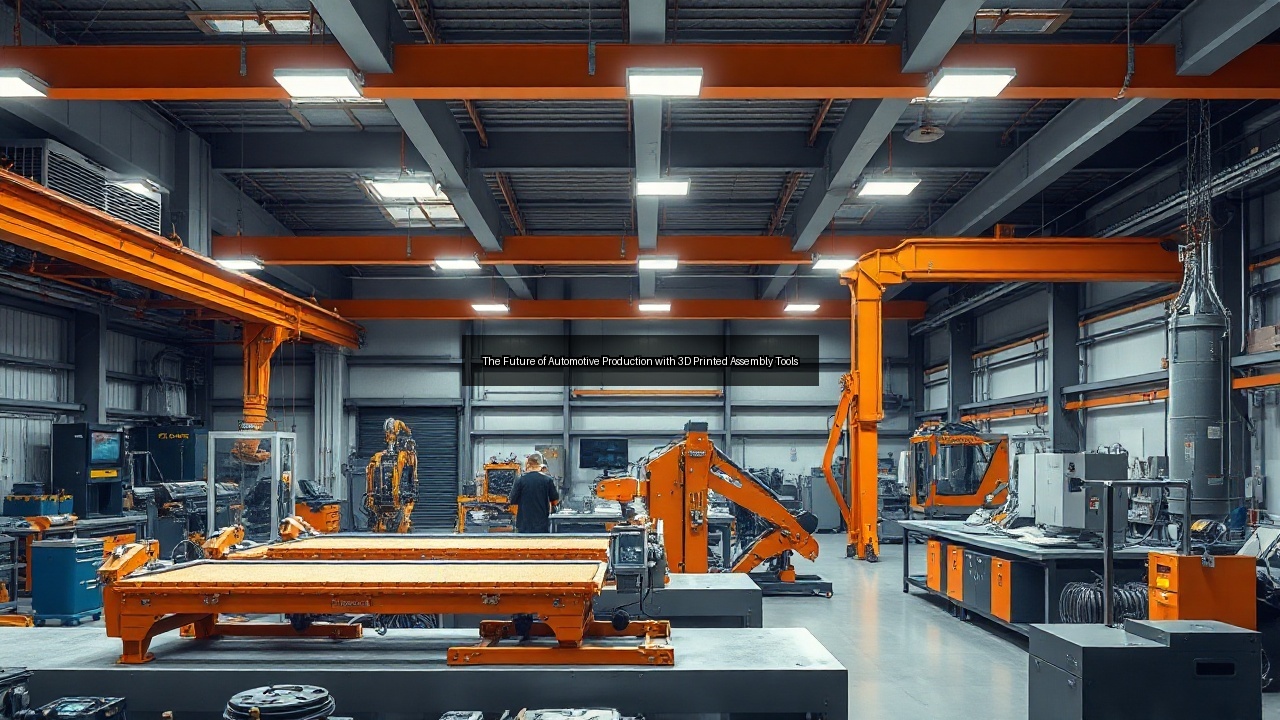
Introduction to 3D Printed Assembly Tools in Automotive Production
Overview of Automotive Manufacturing
Automotive manufacturing relies on precise coordination across multiple stations to produce vehicles at scale. Engineers coordinate stamping, welding, and final assembly lines to meet tight tolerances. Traditional methods demand heavy investment in custom metal fixtures that take weeks or months to fabricate through machining and milling. Modern facilities now integrate 3d printing to accelerate tooling development. This shift allows teams to iterate on assembly fixtures quickly while maintaining structural integrity under repeated use. Automotive plants report faster line changes and reduced downtime when they adopt additive processes for jigs and fixtures.
The Role of Assembly Fixtures in Production
Assembly fixtures hold components in exact positions during welding, soldering, drilling, and riveting operations. They ensure every door panel, chassis section, and wiring harness aligns without variation. Without reliable fixtures, misalignment leads to rework and quality issues that cascade through the production schedule. Manufacturers depend on these tools to standardize output across shifts. In high-volume environments, even small improvements in fixture accuracy translate into significant gains in throughput. Assembly fixtures also support layout verification before full-scale runs begin, catching design conflicts early.
Benefits of 3D Printing in Tooling
3d printing delivers complex geometries that conventional machining cannot produce economically. Engineers create lightweight yet rigid assembly fixtures with internal lattice structures that reduce material use without sacrificing strength. Lead times drop from months to days, enabling rapid response to model-year changes. 3d printers handle both prototypes and low-volume production tools, freeing CNC capacity for high-precision parts. Cost per fixture falls because no extensive fixturing setups or multiple setups on milling machines are required. Teams also embed hardware such as threaded inserts directly during the build process.
Innovative Technologies in 3D Printed Assembly Fixtures
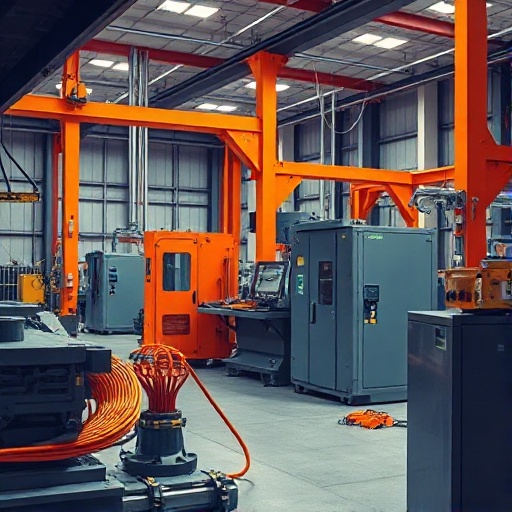
Understanding SLS and Its Applications
SLS technology fuses nylon powders layer by layer to form durable assembly fixtures capable of withstanding industrial loads. The process eliminates support structures, allowing intricate internal channels for wire routing or coolant flow. Automotive suppliers use SLS fixtures for door module assembly and headlamp alignment stations. These tools resist impact during manual handling and maintain dimensional stability after repeated thermal cycling. SLS materials also accept post-processing such as vapor smoothing to improve surface finish for precision locating surfaces. Production teams value the ability to print replacement fixtures overnight when original units wear.
Exploring the Use of Diamond Coatings
Diamond coatings applied to 3d printed fixtures increase wear resistance on contact surfaces exposed to abrasive metals or repeated clamping. The thin film reduces friction during part insertion and extends service life in high-cycle welding cells. Engineers apply these coatings selectively to locating pins and clamping jaws rather than entire fixtures, controlling expenses. Diamond-enhanced tools maintain accuracy longer in environments that combine heat from welding and mechanical stress. This approach bridges the performance gap between polymer-based 3d prints and traditional steel fixtures for intermediate production volumes.
Integration of Software in 3D Printed Tool Design
Software platforms convert CAD models into optimized print files while simulating stress distribution across fixture geometry. Engineers adjust wall thickness and lattice density in real time to balance weight and rigidity. Generative design tools suggest layouts that minimize material while preserving clamping force requirements. Simulation also predicts how fixtures will behave under heat loads during welding operations. Integration with shop-floor software allows direct export of tool paths for 3d printers, shortening the path from concept to physical fixture. Version control features ensure teams work from the latest engineering revisions.
Design and Engineering Considerations for 3D Printed Fixtures
Best Practices in Fixture Design
Best practices emphasize modular construction so individual sections of an assembly fixture can be reprinted without replacing the entire unit. Designers locate datum features on robust printed surfaces and avoid thin walls near clamping zones. Generous fillets reduce stress concentrations that could initiate cracks under load. Engineers also incorporate alignment features that speed setup on the assembly line. Documentation of print orientation helps operators achieve consistent mechanical properties across batches. Regular inspection protocols catch wear before it affects part quality.
Material Choices for Heat Resistance
Material selection determines whether a 3d printed fixture survives proximity to welding arcs or soldering stations. High-temperature nylons and filled composites maintain stiffness above 150 degrees Celsius. Some formulations incorporate glass or carbon fibers that improve both heat deflection and compressive strength. Teams test samples under simulated process conditions before committing to full-scale production fixtures. Proper material choice prevents warping that would misalign components during critical joining operations. Heat-resistant fixtures also reduce the need for secondary cooling stations on the line.
Incorporating Threaded Inserts for Stability
Threaded inserts molded or heat-set into 3d printed fixtures provide metal threads that withstand repeated bolting cycles. Placement near load-bearing points distributes clamping forces evenly and prevents stripping of polymer material. Designers position inserts away from high-heat zones to avoid loosening over time. This hardware integration allows fixtures to interface with existing pneumatic clamps and locating systems without adapters. Proper insert selection supports both manual and automated assembly cells while maintaining repeatability across thousands of cycles.
Impact on Productivity and Cost Efficiency
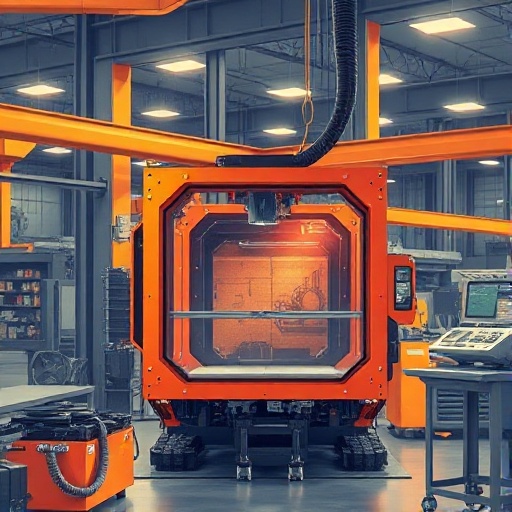
Analyzing Cost Savings with 3D Printing
Cost savings appear first in reduced tooling lead times that accelerate new model launches. Traditional fixture fabrication often requires multiple machining operations and finishing steps. 3d printing collapses these into a single build cycle. Lower material waste and elimination of dedicated setup fixtures further reduce expenses. Plants also avoid inventory carrying costs because replacement assembly fixtures print on demand. Over a model year, cumulative savings from faster iterations and fewer scrapped parts often exceed the initial investment in 3d printers.
Enhancing Productivity through Customization
Customization lets engineers tailor every assembly fixture to the specific ergonomics of a workstation. Operators receive tools shaped for their reach and line speed, reducing fatigue and errors. Custom jigs incorporate part-specific locating features that speed loading compared with generic fixtures. Productivity rises when changeovers require only a quick swap of printed modules rather than full mechanical readjustment. Teams document cycle-time improvements after each iteration, creating data that guides further refinements.
Case Studies of Successful Implementations
One major truck manufacturer deployed SLS-printed assembly fixtures for cab wiring harness installation. The new fixtures cut setup time by 40 percent and eliminated recurring alignment issues that had caused rework. Another supplier used diamond-coated 3d printed locating pins in a robotic welding cell, extending fixture life threefold while maintaining positional accuracy. These examples illustrate how targeted adoption of additive tooling improves both quality metrics and overall equipment effectiveness on automotive lines.
Future Trends and Challenges in Automotive Production
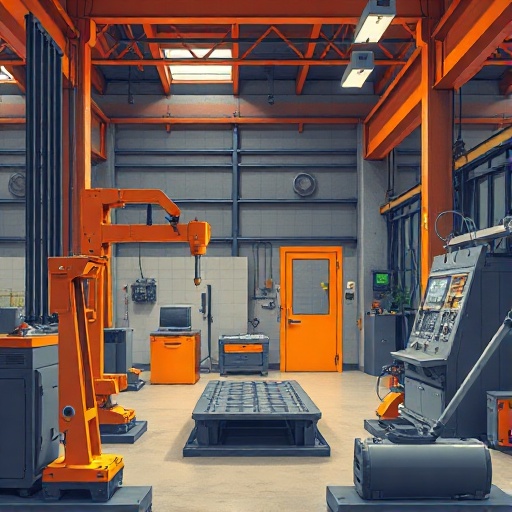
The Evolution of Assembly Technology
Assembly technology continues to advance through tighter integration of sensors within 3d printed fixtures. Embedded strain gauges and RFID tags provide real-time feedback on clamping force and fixture wear. This data feeds predictive maintenance systems that schedule reprints before failures occur. Hybrid manufacturing cells combine 3d printing with robotic post-processing to deliver finished fixtures with machined locating surfaces in a single automated workflow. Such developments push the boundaries of what assembly fixtures can achieve on dynamic production lines.
Potential Challenges in Adoption
Adoption faces hurdles around material certification for safety-critical applications and operator training on new design software. Some facilities hesitate due to perceived limitations in load capacity compared with steel fixtures. Supply-chain teams must qualify 3d printing materials for consistent batch-to-batch performance. Regulatory requirements for traceability also demand robust digital records of every printed tool. Addressing these points requires cross-functional teams that combine engineering, quality, and procurement expertise.
Predictions for Future Manufacturing Practices
Future manufacturing practices will feature distributed production where individual plants print fixtures locally rather than ordering from central tool rooms. This decentralization shortens response times to design changes and reduces logistics overhead. As 3d printing hardware scales, larger fixtures will move from polymer to metal additive processes for extreme durability. Automotive manufacturers that master these capabilities will gain competitive edges in both cost and flexibility, reshaping how assembly fixtures support vehicle production for years ahead.