Tailoring Your Bulk Material Handling with Custom Process Hoppers
Understanding Custom Process Hoppers and Their Importance
What Are Custom Process Hoppers?
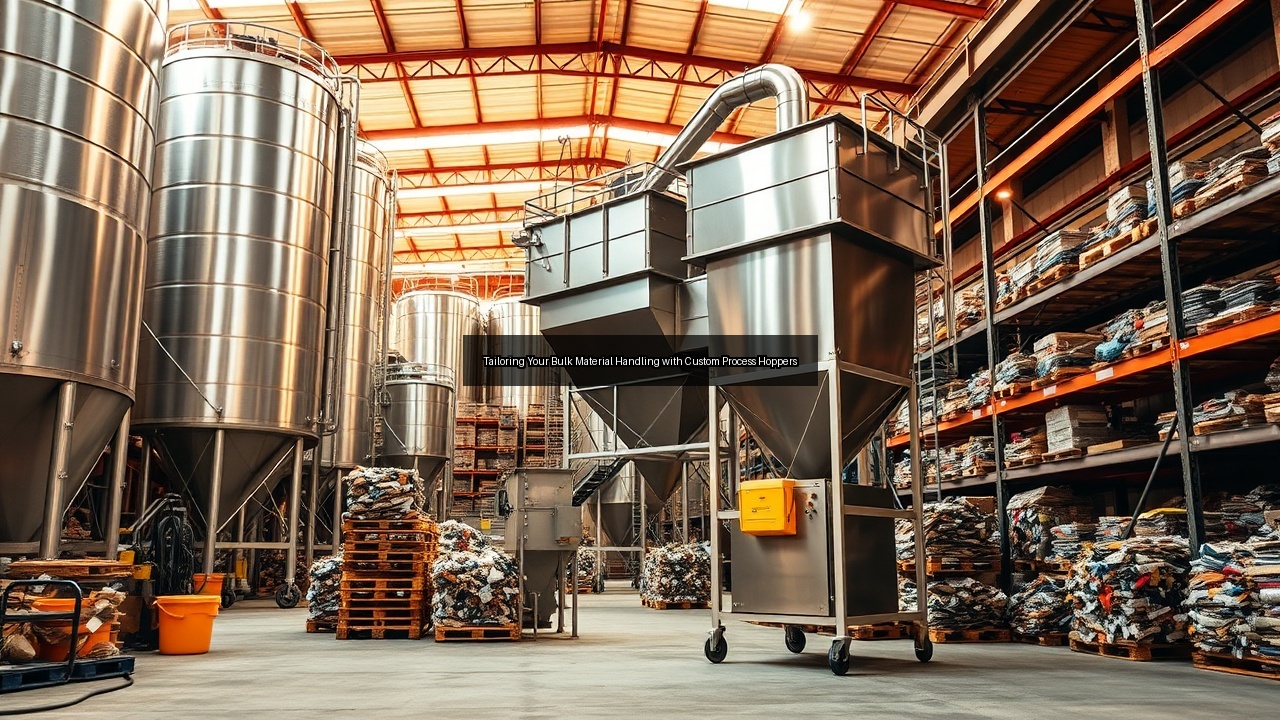
Custom process hoppers serve as specialized containers designed to store and dispense bulk materials in controlled volumes during manufacturing and handling operations. These units differ from standard hoppers because engineers tailor every aspect to match specific flow rates, material characteristics, and integration points within a larger system. Companies specify exact dimensions, gate mechanisms, and mounting options so the hopper aligns perfectly with existing equipment such as silos or conveyor systems. The result eliminates bottlenecks that occur when off-the-shelf hoppers force awkward transitions or require constant adjustments.
Process hoppers often incorporate features like adjustable discharge gates and reinforced walls that withstand continuous loading cycles. Fabricators use precise measurements to create hoppers that fit narrow spaces or elevated platforms common in warehousing environments. When operators need to move the units, casters attached to the base allow quick repositioning without cranes or forklifts. This level of customization ensures bulk materials move efficiently from storage to processing stages without spillage or segregation.
Key Benefits of Custom Process Hoppers for Bulk Material Handling
Custom process hoppers deliver measurable gains in productivity by matching exact throughput requirements of each operation. Facilities handling varying densities of bulk materials avoid the common problem of bridging or rat-holing because the hopper geometry matches the material's angle of repose. Workers spend less time clearing jams and more time running production lines at full capacity.
Another advantage appears in safety and maintenance. Reinforced designs reduce wear points that plague generic hoppers, cutting unplanned downtime. The ability to specify stainless steel or sheet metal construction protects against corrosion when handling abrasive or reactive substances. Over time, the tailored fit lowers overall operating costs while improving consistency in downstream processes that rely on steady material supply.
Design Considerations for Custom Process Hoppers
Choosing the Right Dimensions for Your Hoppers
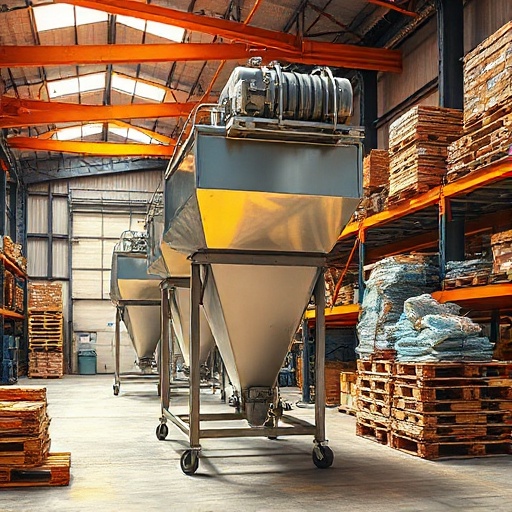
Determining the correct dimensions for custom process hoppers starts with analyzing daily throughput and available floor space. Engineers calculate height, width, and hopper angle so the unit holds enough material to sustain continuous operation yet fits within layout constraints. Too large a hopper wastes floor area and complicates cleaning; too small a unit requires frequent refilling that interrupts workflow.
Accurate sizing also accounts for headroom above the hopper and clearance below the discharge gate. In multi-level facilities, proper dimensions prevent interference with overhead structures or adjacent equipment. This planning phase ensures the finished hopper integrates smoothly rather than requiring later modifications that raise costs and delay implementation.
Material Selection: Stainless Steel vs. Sheet Metal
Stainless steel offers superior corrosion resistance when custom process hoppers handle food-grade, chemical, or wet bulk materials. Its smooth surface reduces sticking and simplifies sanitation procedures required in regulated industries. Sheet metal, by contrast, provides a cost-effective option for dry, non-corrosive materials where extreme durability matters less than initial budget constraints.
The choice between these metals affects long-term performance and maintenance schedules. Stainless steel withstands repeated wash-downs without pitting, while coated sheet metal may need periodic inspections to guard against scratches that expose underlying layers. Fabricators recommend the right alloy based on material abrasiveness, moisture content, and cleaning frequency to maximize service life.
Incorporating Cone Shapes for Optimal Flow
Cone sections at the bottom of custom process hoppers promote consistent material discharge by directing flow toward the gate. Steep cone angles prevent bridging that occurs with shallow slopes, especially when handling cohesive powders or granules. Engineers select cone geometry after testing sample materials to confirm the angle exceeds the material's critical value.
Proper cone design also reduces segregation during discharge, preserving mixture uniformity in applications such as concrete batching. When combined with vibration pads or air cannons, the cone maintains steady flow even under varying humidity conditions. This attention to shape details ensures reliable operation without constant operator intervention.
Integrating Custom Process Hoppers with Existing Systems
Connecting Hoppers to Conveyor Systems
Linking custom process hoppers to a conveyor system requires precise alignment of the discharge gate with the belt or screw inlet. Fabricators add transition chutes or adapters that maintain material velocity and prevent spillage at the transfer point. Proper integration keeps the conveyor running at designed speed without overloads or starved sections.
Control systems often tie hopper gates to conveyor sensors so discharge occurs only when the belt moves. This coordination improves overall line efficiency and reduces waste. In facilities with multiple conveyors, hoppers equipped with diverter gates allow operators to route materials to different destinations without manual intervention.
Optimizing Workflow with Pallet Racks and Guardrails
Placing custom process hoppers near pallet racks streamlines loading because forklifts can deposit bulk material containers directly above or beside the hopper. Guardrails positioned around the hopper protect both equipment and personnel from accidental collisions during high-traffic periods. This layout keeps aisles clear while maintaining easy access for refilling.
Guardrails also guide material handling vehicles into correct alignment, reducing the chance of damaging the hopper or its gate mechanism. When hoppers sit on elevated platforms, integrated guardrails and access ladders further enhance safety. The combined arrangement supports continuous operation by minimizing delays caused by maneuvering around obstacles.
Enhancing Productivity in Warehousing Operations
Custom process hoppers boost warehousing productivity by consolidating storage and feeding functions into one compact unit. Operators spend fewer labor hours transferring bulk materials between separate containers and processing lines. The result appears in higher throughput per shift and lower handling costs.
When hoppers include quick-release gates and level sensors, inventory tracking becomes automated. Supervisors receive real-time alerts when stock drops below threshold, allowing proactive replenishment from silos or outside deliveries. This visibility prevents stock-outs that halt production and supports just-in-time material management across the warehouse floor.
Applications and Industries Utilizing Custom Process Hoppers
Handling Recyclables in the Recycling Industry
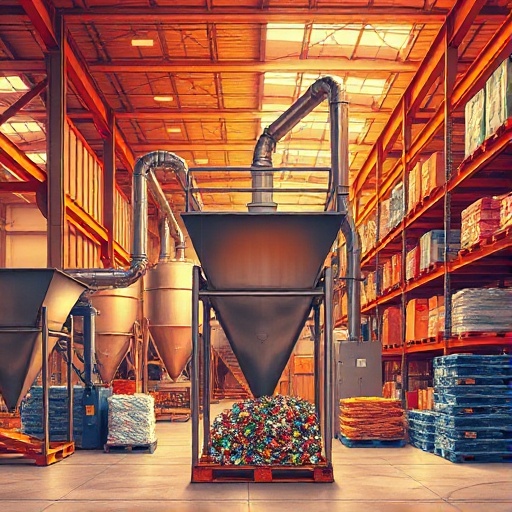
Recycling facilities rely on custom process hoppers to manage incoming streams of recyclables before sorting begins. The hoppers separate loads by material type and feed conveyors at consistent rates that match downstream equipment capacity. Adjustable gates allow operators to control flow when processing mixed loads that contain varying densities.
Stainless steel construction resists damage from sharp edges common in scrap metal and plastic containers. Cone shapes inside the hopper reduce jamming that occurs with tangled materials. These tailored features keep recycling lines running steadily and improve recovery rates by preventing material loss during transfer.
Bulk Material Handling in Concrete Manufacturing
Concrete manufacturing plants use custom process hoppers to store and dispense aggregates, cement, and additives with precise batch accuracy. The hoppers connect directly to mixing systems so operators maintain consistent recipes without manual weighing. Durable sheet metal or stainless steel walls stand up to the abrasive nature of sand and gravel.
Proper cone angles and vibration assistance ensure complete discharge of each batch, eliminating leftover material that could alter mix proportions. Integration with conveyor systems moves ingredients from silos to hoppers without intermediate handling. This setup supports high-volume production while meeting strict quality standards required for structural concrete.
Managing Scrap Metal with Custom Solutions
Scrap yards and metal processing plants install custom process hoppers to stage ferrous and non-ferrous scrap before melting or shredding. Reinforced walls handle the weight and impact of heavy pieces while sloped sides direct material toward the discharge gate. Large gate openings accommodate oversized items that standard hoppers cannot process.
These hoppers often include magnetic separators or screening sections that remove contaminants during discharge. When paired with conveyor systems, they feed shredders or furnaces at rates matched to equipment capability. Custom fabrication allows plants to fit hoppers into existing layouts without major facility changes.
Working with a Specialized Company for Custom Fabrication
The Custom Fabrication Process Explained
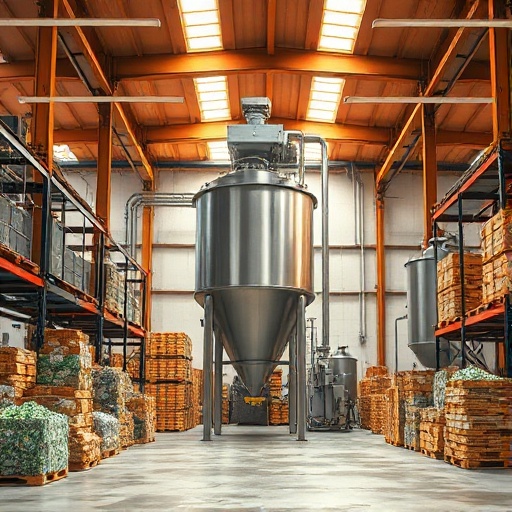
The fabrication process begins when a company gathers detailed specifications including material type, dimensions, flow requirements, and connection points. Engineers create CAD models that simulate material behavior inside the proposed hopper. After client approval, fabricators cut, form, and weld components using the selected stainless steel or sheet metal.
Final assembly includes installation of gates, sensors, and mounting hardware. Testing with actual bulk materials verifies flow performance before delivery. This structured approach produces hoppers that meet exact operational needs rather than forcing facilities to adapt processes around generic equipment.
Factors to Consider When Choosing a Manufacturer
Selecting the right fabrication company involves reviewing its experience with similar bulk material applications and its ability to work with both stainless steel and sheet metal. Lead times, design support, and post-installation service also influence the decision. Facilities should request references from plants that handle comparable volumes and material characteristics.
Clear communication about integration requirements, such as conveyor system interfaces or pallet rack compatibility, prevents costly revisions later. A manufacturer that offers on-site measurement and installation assistance further reduces risk. These factors together determine whether the finished custom process hoppers deliver expected performance and longevity.
Ensuring Quality Control with Custom Hoppers
Quality control starts with material certification and continues through dimensional inspections at each fabrication stage. Welds receive visual and, when required, radiographic examination to confirm structural integrity. Functional tests verify gate operation, cone angles, and sensor calibration before the hopper leaves the shop.
Documentation packages supplied with each unit include material test reports and maintenance guidelines. Facilities that maintain these records experience fewer unexpected failures and enjoy smoother audits. Consistent quality control practices from the manufacturer translate directly into reliable performance once the hopper enters daily service.