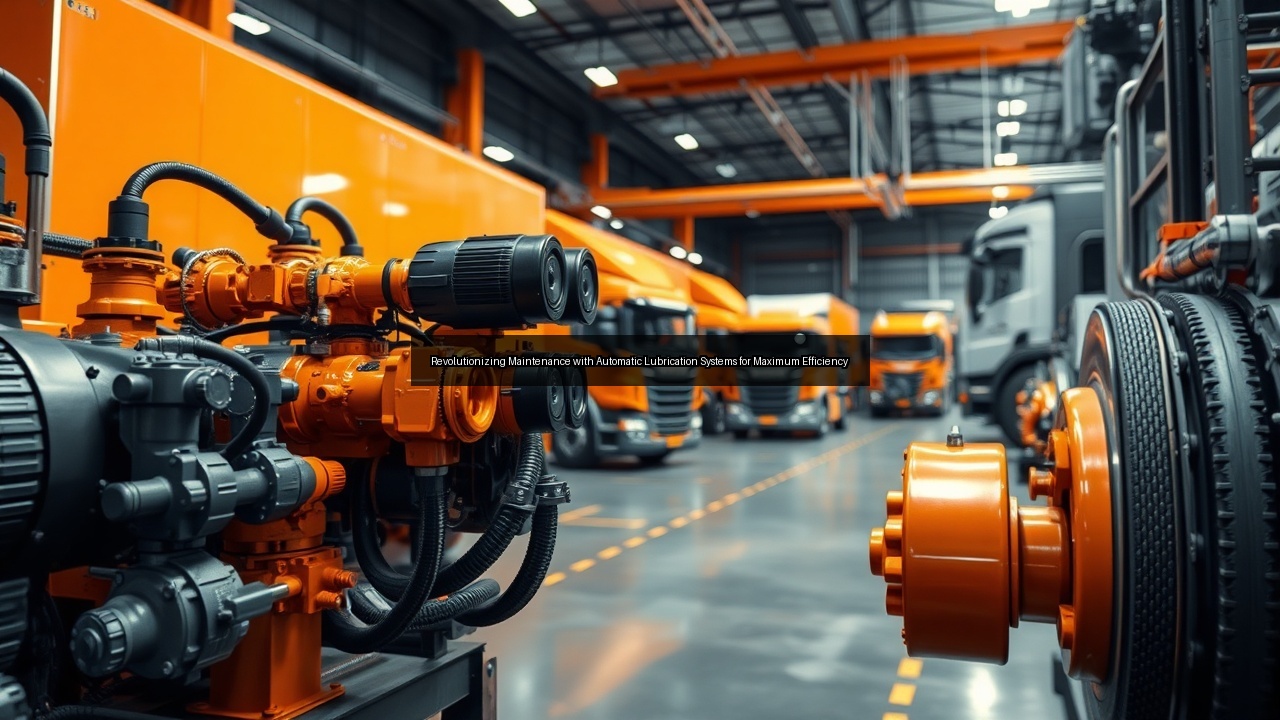
Revolutionizing Maintenance with Automatic Lubrication Systems for Maximum Efficiency
Understanding Automatic Lubrication Systems
What are Automatic Lubrication Systems?
Automatic lubrication systems deliver precise amounts of lubricant to moving parts without manual intervention. These setups replace inconsistent hand greasing with timed or sensor-triggered delivery that keeps bearings and other components running smoothly. Operators rely on automatic lubrication systems to reduce downtime and prevent failures caused by under-lubrication or over-lubrication. An auto lube system typically activates at set intervals or based on operating conditions, ensuring consistent film strength on friction points. Maintenance teams notice immediate improvements in equipment uptime once they install these systems on production lines or mobile fleets. The technology eliminates the need for technicians to climb around machinery with grease guns, freeing them for higher-value tasks. In high-volume operations, automatic lubrication systems maintain reliability across multiple machines simultaneously. Users often combine them with monitoring tools to track lubricant consumption and spot anomalies early.
Key Components: Pumps, Greasers, and Connectors
Pumps form the heart of any automatic lubrication system, drawing oil or grease from a reservoir and pushing it through distribution lines under controlled pressure. Progressive or injector-style pumps handle varying lubricant volumes depending on the number of lubrication points. Greasers attach directly to bearings or other points and meter exact quantities during each cycle. Connectors link pumps to distribution blocks and finally to the lubrication points, creating a sealed network that prevents contamination. Technicians select connector types based on vibration levels and temperature ranges to maintain integrity over years of service. Modern pumps incorporate adjustable output settings so operators can match delivery to specific equipment demands. When paired with automatic lubricators, these components create a closed-loop solution that operates around the clock. Regular inspection of pumps, greasers, and connectors keeps the entire lube system performing at peak efficiency without unexpected leaks or blockages.
Types of Lubricants Used in Systems
Oil-based lubricants flow easily through centralized lines and suit high-speed applications where heat dissipation matters. Grease formulations stay in place longer on slow-moving or vertical surfaces and resist washout in wet environments. Automatic lubrication systems accommodate both types through specialized pumps and metering devices that handle different viscosities. Synthetic oils perform well under extreme temperatures while standard mineral oils meet most general industrial needs. Some setups use spray nozzles to apply thin films of lubricant on open gears or chains. Operators choose lubricant quantity and type after evaluating load, speed, and environmental factors. Many facilities standardize on a single high-performance grease across multiple machines to simplify inventory and reduce errors during refills. Proper lubricant selection directly affects bearing life and overall equipment reliability in demanding conditions.
Benefits of Implementing Automatic Lubrication Systems
Enhanced Reliability and Maintenance Efficiency
Automatic lubrication systems deliver consistent lubricant doses that eliminate the variability of manual methods. Equipment runs with fewer interruptions because bearings receive fresh lubrication while the machine operates. Maintenance crews spend less time on routine greasing routes and more time on diagnostics and repairs. Reliability improves when every lubrication point receives the correct amount at the right moment rather than relying on memory or schedules. Plants report fewer unplanned stops after switching to automatic lubrication systems on critical assets. The approach also reduces human error such as missed points or excessive application that can attract dirt. Teams track performance through simple visual indicators or integrated sensors that confirm each cycle completed successfully. Overall maintenance efficiency rises as lubrication becomes a background task managed by the system itself.
Reduction in Maintenance Costs
Lower maintenance costs result from fewer bearing replacements and reduced labor hours spent on lubrication rounds. Automatic lubrication systems prevent the over-greasing that wastes product and the under-greasing that leads to premature wear. Facilities cut repair expenses because components last longer under steady lubrication conditions. Energy consumption sometimes drops as well when friction decreases across the equipment fleet. Managers document savings through before-and-after comparisons of parts purchases and technician hours. The initial investment in pumps and distribution lines pays for itself through avoided downtime and extended service intervals. Many operations also lower their lubricant consumption because metered delivery eliminates waste. These cumulative reductions strengthen the business case for installing automatic lubrication systems across both fixed and mobile assets.
Impact on Equipment Longevity and Reliability
Proper lubrication extends the service life of bearings, gears, and other moving parts by maintaining an optimal film that reduces metal-to-metal contact. Automatic lubrication systems apply fresh lubricant before existing films degrade, protecting components during continuous operation. Equipment reliability increases when temperature spikes and vibration from dry running disappear. Operators observe longer intervals between major overhauls once lubrication becomes automated and consistent. In harsh environments, sealed systems keep contaminants out while delivering clean lubricant directly to the point of need. This protection compounds over time, allowing machinery to reach its designed lifespan rather than failing early from lubrication neglect. Plants that adopt these systems often record measurable gains in overall equipment effectiveness tied directly to improved component durability.
Applications Across Industries
Automatic Lubrication in Trucks and Trailers
Trucks and trailers benefit from automatic lubrication systems that service wheel bearings, fifth wheels, and suspension points during long hauls. Drivers avoid roadside stops for manual greasing while fleets see reduced wear on critical components. Automatic lubricators mounted on the chassis activate at programmed intervals or based on mileage, ensuring consistent protection even on rough roads. Pumps draw from centralized reservoirs and route grease through robust lines rated for vibration and temperature swings. Fleets report fewer repairs and maintenance events on fifth-wheel assemblies after installing these systems. The approach also improves safety by keeping technicians off ladders and away from moving parts during service. Many trucking companies now specify automatic lubrication systems on new equipment purchases to maximize uptime and lower total ownership costs across their trucks and trailers.
Utilization in Data Centers
Data centers rely on automatic lubrication systems to maintain cooling fans, pumps, and backup generators that run continuously. Precise lubricant delivery prevents bearing failures that could lead to overheating of servers. Maintenance teams install compact automatic lubricators near critical motors to avoid disrupting sensitive airflow patterns. Condition monitoring sensors integrated with these systems alert staff to any deviation in lubricant flow or pressure before problems escalate. The clean, contained nature of centralized lubrication reduces the risk of oil or grease contamination in the controlled environment. Facilities achieve higher reliability for their mechanical infrastructure while cutting labor costs associated with frequent manual checks. Automatic lubrication systems support the 24/7 demands of data centers by providing uninterrupted protection to rotating equipment without human presence.
Lubrication Solutions for Compressors and Bearings
Compressors and bearings demand reliable lubrication to handle high loads and continuous duty cycles. Automatic lubrication systems meter exact quantities of oil or grease to each point, preventing both starvation and flooding that damage seals. Technicians configure pump output to match the specific requirements of reciprocating or rotary compressors. Bearing housings receive fresh lubricant at intervals that match operating hours rather than calendar time. This targeted approach reduces heat generation and extends service life in demanding applications. Many plants combine automatic lubrication with vibration sensors to confirm that bearings remain properly protected. The result is fewer compressor repairs and longer intervals between scheduled maintenance on critical air or gas systems.
Integrating Automation and Condition Monitoring
The Role of Condition Monitoring in Maintenance
Condition monitoring tracks vibration, temperature, and lubricant condition to predict when equipment needs attention. When paired with automatic lubrication systems, sensors verify that lubricant reaches each point and flag blockages or low reservoir levels immediately. Maintenance teams shift from time-based schedules to data-driven interventions that address real needs. This integration reduces unnecessary repairs and maintenance while catching developing issues before they cause failures. Operators receive alerts through centralized dashboards that display system status across an entire facility. The combination of automated delivery and continuous monitoring creates a proactive maintenance environment focused on reliability rather than reaction.
Data-Driven Decisions for Optimal Lubrication
Data from condition monitoring feeds directly into lubrication controllers that adjust quantity, pressure, and timing based on actual operating conditions. Automatic lubrication systems become smarter when they receive input from load sensors or runtime counters. Managers review consumption trends to optimize lubricant type and delivery schedules for different machines. Historical data helps identify patterns that lead to bearing wear or compressor inefficiency. Teams use these insights to refine settings and extend component life further. The result is a closed-loop process where lubrication decisions rest on measurable performance rather than assumptions.
Automated Lubrication: A Future-Forward Approach
Automated lubrication represents the next step in maintenance evolution by combining pumps, connectors, and sensors into intelligent networks. Facilities adopting these solutions prepare for higher equipment utilization and lower human dependency. Future systems will incorporate machine learning to predict optimal lubrication windows based on real-time data. Automatic lubrication systems already deliver measurable gains in reliability and cost control today. Organizations that invest now position themselves for continued improvements as technology advances. The approach aligns with broader automation trends across industries seeking maximum efficiency from every asset.
Choosing the Right Automatic Lubrication System
Factors to Consider: Quantity, Pressure, and Type of Lubricant
Selection begins with calculating the total lubricant quantity required across all points and the pressure needed to overcome line resistance. Automatic lubrication systems must match the viscosity and flow characteristics of the chosen oil or grease. Operators evaluate environmental factors such as temperature extremes and contamination risks before finalizing pump capacity and line sizing. Proper matching ensures consistent delivery without cavitation or excessive backpressure. Many suppliers provide sizing guides that factor in bearing size, speed, and load to recommend appropriate configurations. Attention to these details prevents underperformance and supports long-term reliability goals.
Top Brands and Technologies in the Market
Leading brands offer single-line, dual-line, and progressive automatic lubrication systems with varying levels of automation and monitoring capability. Some specialize in compact automatic lubricators for mobile equipment while others focus on large centralized installations for industrial plants. Newer technologies include programmable controllers that integrate with plant-wide automation networks. Buyers compare features such as reservoir capacity, cycle monitoring, and remote notification options when evaluating options. Established manufacturers provide extensive support and spare parts availability that matter for ongoing maintenance. Reviewing case studies from similar applications helps narrow choices to systems proven in comparable environments.
Comparative Analysis of Lube Systems and Solutions
A side-by-side review of lube systems reveals differences in installation complexity, scalability, and maintenance requirements. Progressive divider systems excel in applications with many points at similar lubrication needs, while injector systems offer more flexibility for varying quantities. Automatic lubrication systems from different suppliers vary in their ability to handle high-pressure or long-distance runs. Facilities often pilot two or three options on similar machines to measure actual performance and cost before committing to a site-wide rollout. Documentation of lubricant consumption, downtime reduction, and repair frequency provides concrete data for the final decision. This structured comparison ensures the chosen solution delivers maximum efficiency and return on investment.