Innovative Tooling Techniques for Optimal CNC Turning Results
Understanding CNC Turning Centers
What is a CNC Turning Center?
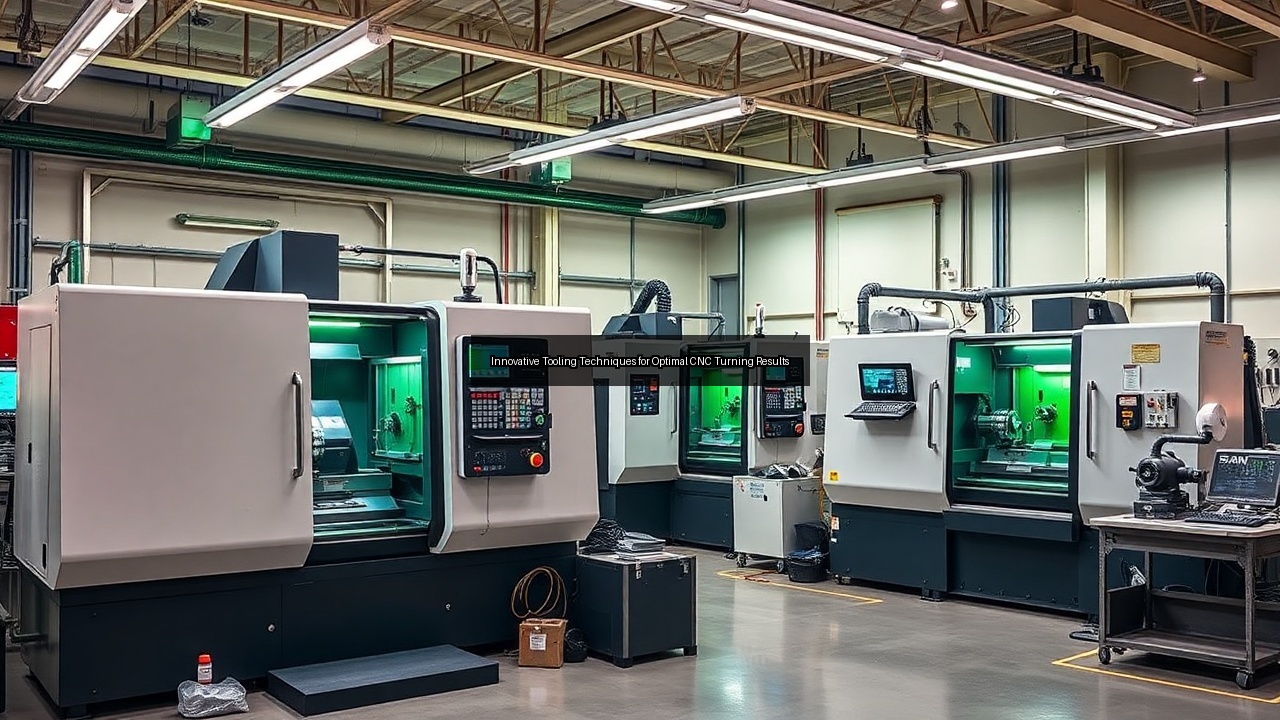
A CNC turning center is a sophisticated machine tool designed for precision manufacturing tasks involving the turning of materials, typically metals or plastics. These machines utilize computer numerical control (CNC) technology to automate and enhance the turning process. Unlike traditional lathes, CNC turning centers offer programmable capabilities, allowing engineers to create complex shapes and high-tolerance components with remarkable accuracy. The integration of software enables operators to input specific machining parameters, ensuring that each piece meets exact specifications. This level of automation significantly increases production efficiency while maintaining consistent quality across batches.
Key Components of CNC Turning Systems
Understanding the key components of CNC turning systems is essential for maximizing the performance of CNC lathe machines. Central to these systems is the spindle, which rotates the workpiece at high speeds. The cutting tools, often made from high-speed steel or carbide, are mounted on a turret that can be programmed to switch between multiple tools seamlessly. Additionally, the tailstock plays a crucial role by supporting longer workpieces, preventing vibrations that could compromise precision. CNC turning centers also feature advanced software and control systems that enhance operational efficiency and adaptability, allowing for quick adjustments based on the material or component specifications.
The Role of Tailstock in CNC Turning
The tailstock is a pivotal component in CNC turning, especially when working with longer materials. It provides additional support and stability, which is vital for maintaining accuracy during the machining process. The tailstock can be adjusted to accommodate various lengths of stock, ensuring that the workpiece remains secure while being machined. This versatility not only enhances the reliability of the machining operations but also allows for threading and other complex tasks to be performed with ease. By utilizing a tailstock in CNC turning applications, manufacturers can significantly reduce the risk of chatter and improve the overall finish of the components produced.
Innovative Tooling Techniques
Advanced Tooling for Precision Machining
Advanced tooling techniques are crucial for achieving optimal results in CNC turning operations. The use of high-performance cutting tools, such as those with specialized coatings or geometries, can drastically enhance machining efficiency and tool life. These tools are designed to withstand the rigors of high-speed cutting and can maintain sharpness longer than conventional options. Moreover, the ability to integrate toolpath optimization algorithms into CNC software allows engineers to minimize cycle times while maximizing material removal rates. This synergy between advanced tooling and CNC turning centers leads to improved productivity, reduced operational costs, and superior part quality.
3D-Printed Tooling Solutions
3D printing technology has revolutionized the tooling landscape, offering innovative solutions that enhance CNC turning processes. Manufacturers can produce custom tooling and fixtures tailored to specific project requirements through additive manufacturing. This capability significantly reduces lead times for tooling creation and allows for rapid prototyping. 3D-printed tooling also enables the design of complex geometries that traditional machining methods cannot achieve, thus unlocking new possibilities for CNC turning operations. By incorporating 3D-printed tools, engineers can improve flexibility, reduce material waste, and lower costs, all while maintaining high precision in their machining processes.
Custom Tooling for Swiss Lathes
Swiss lathes require specialized tooling to optimize their unique capabilities effectively. Custom tooling enhances the performance of these machines by providing tailored solutions for intricate turning operations. Engineers can design tools that fit precisely within the confined spaces of Swiss lathes, allowing for more efficient machining of small, complex parts. This customization extends to threading tools, which must meet specific tolerances while ensuring reliability during high-speed operations. The integration of custom tooling into Swiss lathes not only boosts productivity but also minimizes downtime associated with tool changes, ultimately leading to more efficient manufacturing processes.
Enhancing Performance with Automation
Integrating Robotics in CNC Turning
Integrating robotics into CNC turning systems represents a significant leap forward in manufacturing efficiency. Robotic arms can automate the loading and unloading of workpieces, reducing the need for manual intervention. This automation not only speeds up the production cycle but also minimizes the risk of human error. Furthermore, robots equipped with advanced vision systems can identify defects and ensure quality control in real-time, enhancing the reliability of the entire machining process. By incorporating robotics into CNC turning operations, manufacturers can achieve higher throughput, operate with fewer resources, and adapt quickly to changing production demands.
Automated CNC Lathe Machines for Efficiency
Automated CNC lathe machines streamline operations by integrating various processes into a single, cohesive workflow. These machines can perform multiple tasks, such as turning, milling, and threading, without the need for manual setup. The automation provided by these CNC lathe machines allows for continuous production runs with minimal interruptions. Operators can monitor the machines remotely, ensuring that any issues are addressed promptly. This level of automation not only enhances productivity but also improves the overall quality of the finished parts. As manufacturers seek to optimize their production lines, automated CNC lathe machines stand out as a key solution for efficiency and reliability.
The Future of CNC Machining and Automation
The future of CNC machining and automation appears bright, with advancements in technology driving continuous improvement. Emerging trends such as AI-driven machining systems and predictive maintenance technologies promise to enhance operational efficiency even further. By leveraging data analytics, manufacturers can optimize machining parameters and anticipate maintenance needs before they lead to downtime. Additionally, the rise of Industry 4.0 emphasizes interconnected systems that allow for real-time monitoring and control of CNC turning centers. As these technologies evolve, they will enable manufacturers to produce high-quality components with unprecedented speed and accuracy, positioning them for success in an increasingly competitive market.
Applications and Industries
CNC Turning in Vehicle Dynamics
CNC turning plays a vital role in the field of vehicle dynamics, where precision and reliability are paramount. Components such as axles, valves, and various housings require exact specifications to function correctly within automotive systems. CNC turning centers enable manufacturers to produce these intricate parts with a high degree of accuracy and repeatability. The ability to create lightweight yet durable components through efficient machining processes enhances vehicle performance and fuel efficiency. As the automotive industry continues to innovate, CNC turning will remain a crucial element in developing advanced vehicle dynamics solutions.
Mold Making with CNC Turning Machines
Mold making is another area where CNC turning machines excel. The creation of molds demands precision to ensure that the final products meet quality standards. CNC turning centers allow mold makers to produce complex shapes and features that are essential for injection molding processes. These machines can create molds from a variety of materials, including metals and plastics, ensuring versatility across different applications. The automation capabilities of CNC turning machines also reduce lead times, allowing manufacturers to respond quickly to market demands while maintaining high-quality standards in their mold products.
Turning Operations for OEMs and Engineers
OEMs and engineers heavily rely on CNC turning operations to produce components that meet stringent industry standards. Whether manufacturing parts for aerospace, medical devices, or consumer products, precision and reliability are non-negotiable. CNC turning centers provide the versatility required to handle diverse materials and complex geometries, making them indispensable in modern manufacturing. Additionally, the ability to adapt quickly to changes in design specifications enables OEMs to remain competitive in fast-paced markets. By leveraging the cnc machining center capabilities of CNC turning, engineers can ensure their components meet both performance and regulatory requirements, ultimately driving success in their respective industries.
See Also
- From Lathes to CNC Turning Centers the Evolution of Precision Engineering
- CNC Lathe Machines Transforming the Landscape of Machining
- The Future of Automation in CNC Turning Operations
- 3D Printing and CNC Turning Centers Bridging the Gap in Custom Manufacturing
- A Comprehensive Guide to CNC Turning Services for OEMs and Engineers