Choosing the Right Hazardous Location Motors for Your Industrial Needs
Understanding Hazardous Location Motors
Definition and Importance
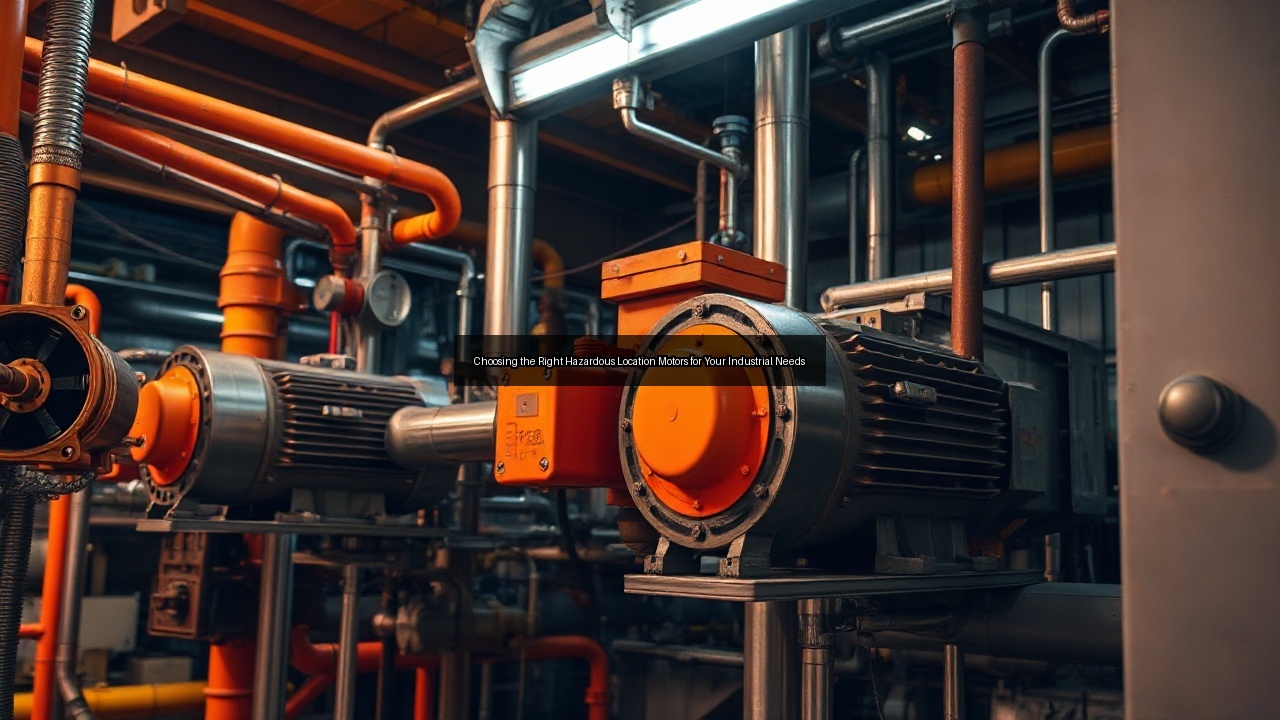
Hazardous location motors protect industrial operations where flammable substances create constant risks. These motors contain sparks and heat that could ignite surrounding materials. Plants rely on them to run pumps, fans, and conveyors without creating ignition sources. Workers stay safer because the motors meet strict construction standards that prevent internal faults from escaping. Proper selection reduces downtime and avoids catastrophic events that damage equipment and halt production. Facilities in chemical processing, oil refining, and grain handling depend on this equipment daily.
Engineers evaluate every motor for its ability to operate in classified areas. The right choice keeps operations compliant and productive. Hazardous location motors also support continuous duty cycles that standard motors cannot handle safely.
Types of Hazardous Locations (Class, Division)
Class I locations contain flammable gases or vapors that can ignite. Class II covers combustible dusts such as coal or grain particles. Class III addresses ignitable fibers like wood shavings. Division 1 means the hazard exists under normal conditions, while Division 2 indicates hazards appear only during abnormal events. Motors for hazardous locations receive specific markings that match these classifications. Selecting the correct class and division prevents equipment failure and regulatory violations. Engineers match motor enclosures and temperature codes to the exact environment to maintain safety margins.
Accurate classification starts with site surveys that measure gas concentrations and dust accumulation rates. This data drives every motor specification decision.
Common Applications in Industries
Pulp and paper mills use hazardous location motors near chemical pulping areas filled with vapors. Oil and gas facilities install them on drilling platforms and refineries where gas leaks remain possible. Food processing plants require them around grain silos that generate explosive dusts. Mining operations depend on these motors for ventilation systems underground. Each industry demands motors that withstand unique combinations of liquids, gases, and dusts without creating ignition points. Proper application extends equipment life and protects personnel in high-risk zones.
Compressors and mixers in these settings run continuously, so motor reliability directly affects output. Facilities track performance data to schedule timely interventions.
Key Considerations for Selecting Hazardous Location Motors
Environmental Factors: Vapors and Dusts
Vapors from solvents and fuels demand motors with tight seals that block gas entry. Dusts from processing create layers that can overheat surfaces, so motors need higher temperature ratings. Liquids that condense inside enclosures cause corrosion and short circuits. Engineers evaluate vapor density, dust particle size, and ignition temperatures before specifying any motor. Hazardous location motors designed for these conditions maintain safe surface temperatures even during overloads. Ignoring these factors leads to premature failure and safety incidents.
Site audits identify the dominant hazard and guide enclosure choices. Continuous monitoring of vapor levels provides real-time data that informs maintenance schedules.
Motor Type: Single Phase vs. Three Phase
Single phase motors suit smaller loads such as pumps under five horsepower in Division 2 areas. They start with simple capacitors yet deliver adequate torque for light duty. Three phase motors handle heavier loads in gas compressors and large fans with better efficiency and smoother operation. Hazardous location motors in three phase configurations reduce vibration and extend bearing life under continuous use. Facilities compare starting current, efficiency curves, and available power supply before deciding. Three phase units often prove more cost effective for demanding applications despite higher initial cost.
Power distribution in the plant usually dictates the final choice. Maintenance teams prefer three phase motors because replacement parts remain widely available.
NEMA Ratings and Compliance Requirements
NEMA ratings define enclosure protection levels against dust and moisture intrusion. Motors for hazardous locations carry additional markings that certify explosion-proof construction. Compliance with NEC and local codes requires verification of temperature class and group ratings. EASA members follow strict repair standards that preserve original certifications after service. Facilities document every motor dimension and rating to ensure replacements match existing infrastructure. Proper NEMA selection prevents both under-protection and unnecessary expense.
Regular audits confirm that installed motors still meet current standards. Documentation supports insurance requirements and inspection readiness.
Performance and Reliability in Hazardous Environments
Impact of Frequency on Motor Performance
Operating frequency affects speed, torque, and heat generation in hazardous location motors. Lower frequencies reduce cooling airflow and can push windings beyond safe temperatures. Higher frequencies increase bearing wear and vibration levels. Engineers calculate load requirements against supply frequency to avoid derating. Variable frequency drives require motors rated for inverter duty to prevent insulation damage from voltage spikes. Accurate frequency matching improves efficiency and prevents unexpected shutdowns in classified areas.
Plant operators monitor current draw and temperature rise during frequency changes. This data helps optimize drive settings for each motor.
Cooling Towers and Gas Compressors Applications
Cooling towers expose motors to high humidity and chemical vapors that attack seals and windings. Hazardous location motors in these positions use corrosion-resistant coatings and stainless hardware. Gas compressors demand motors that deliver high starting torque without exceeding surface temperature limits. Both applications require motors with enhanced bearing protection and oversized frames for heat dissipation. Proper selection reduces vibration transmitted through the foundation and extends service intervals. Facilities track runtime hours to predict bearing replacement needs.
Integration with plant control systems allows real-time performance tracking. Operators adjust load to stay within motor thermal limits during peak demand.
Behavior of Motors Under Extreme Conditions
Extreme temperatures alter lubrication viscosity and winding resistance in hazardous location motors. High altitude reduces cooling effectiveness and requires derating. Rapid pressure changes can stress seals and allow gas ingress. Engineers test motors for these conditions using accelerated life cycles that simulate years of service. Observed behavior guides material upgrades such as special greases or reinforced frames. Reliable performance under stress protects both equipment and surrounding processes.
Data from field sensors reveals early signs of stress. Teams use this information to adjust operating parameters before damage occurs.
Maintenance and Warranty for Hazardous Location Motors
Importance of Regular Maintenance
Regular maintenance keeps hazardous location motors operating safely in environments filled with vapors and dusts. Technicians inspect seals, clean cooling passages, and verify grounding connections. Scheduled checks catch insulation breakdown before it creates ignition sources. Lubrication intervals follow manufacturer guidelines adjusted for temperature and contamination levels. Proper records support compliance audits and extend motor life. Neglected motors fail faster and increase risk to the entire plant.
Maintenance teams coordinate with production to minimize downtime. Predictive tools such as vibration analysis provide early warning of developing issues.
Choosing a Reliable Distributor
A qualified distributor stocks certified hazardous location motors and provides technical support for selection. They maintain inventory that matches common plant requirements and offer quick delivery during emergencies. Experienced distributors understand NEMA ratings and help match motors to specific class and division needs. They also coordinate with EASA repair shops to preserve certifications after service. Strong distributor relationships reduce procurement time and ensure parts compatibility across the facility.
Facilities evaluate distributors on response time, technical knowledge, and warranty support. Long-term partnerships improve overall equipment reliability.
Understanding Warranty Terms for Repairs
Warranty coverage for hazardous location motors depends on proper installation and documented maintenance. Terms typically exclude damage from unauthorized repairs or operation outside rated conditions. EASA-certified shops perform repairs that maintain original approvals and keep warranties intact. Facilities review warranty length, labor coverage, and replacement options before purchase. Clear understanding prevents disputes when motors require service in the field. Strong warranty support reduces total ownership cost over the equipment life cycle.
Operators keep installation records and service logs to support claims. Distributors assist with claim submission and expedite replacement motors when needed.
Future Trends in Hazardous Location Motors
Advancements in BLDC Motors
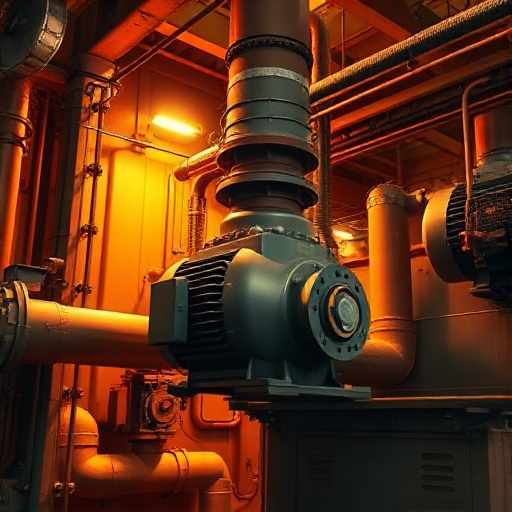
BLDC motors bring higher efficiency and precise speed control to hazardous locations. New designs incorporate explosion-proof housings that meet Class I requirements without sacrificing performance. BLDC motors reduce heat generation compared with traditional induction motors, lowering ignition risk. Integrated electronics allow real-time monitoring of current and temperature. Facilities adopt these motors in pumps and fans where energy savings offset higher upfront cost. Continued development focuses on expanding power ranges for larger compressors.
Engineers test BLDC motors under varying loads to confirm stable operation. Data from pilot installations guides broader rollout across plants.
Data Centers and Evolving Infrastructure Needs
Data centers increasingly locate backup generators and cooling equipment near hazardous material storage. Hazardous location motors power these systems while meeting strict safety codes. Evolving infrastructure demands motors that integrate with building automation and provide diagnostic data. Higher power density allows smaller frames that fit tight mechanical rooms. Facilities plan motor upgrades during capacity expansions to maintain compliance. Reliable motors support uninterrupted operation that data centers require.
Design teams coordinate motor specifications with overall electrical infrastructure. This approach prevents conflicts during commissioning and future modifications.
Sustainable Solutions in Hazardous Environments
Sustainable motors lower energy consumption while maintaining safety in hazardous locations. Manufacturers use recyclable materials and reduce hazardous substances in construction. High-efficiency designs cut electricity demand in cooling towers and gas compressors. Facilities track energy data to quantify savings and support environmental reporting. Sustainable choices also improve worker safety by reducing heat output and noise. Long-term adoption aligns plant operations with corporate responsibility goals.
Suppliers provide lifecycle assessments that compare new motors against existing units. Decision makers use this information to prioritize upgrades that deliver both safety and efficiency gains.